


JAKARTA — Indonesia’s new sovereign wealth fund, Danantara, responded calmly this week to reports of a negative ratings outlook by assuring the public that the assessment was most likely the result of Moody’s “having one of those days.”
Speaking at a press conference, officials said they were not concerned by the outlook, explaining that global ratings agencies often fail to account for Indonesia’s most important economic indicators.
“Moody’s has every right to its opinion,” said spokesperson Riko Pramudito. “But frankly, we believe the agency may simply be moody. It’s right there in the name.”
Sources inside Danantara say the fund has already taken immediate steps to address the negative outlook.
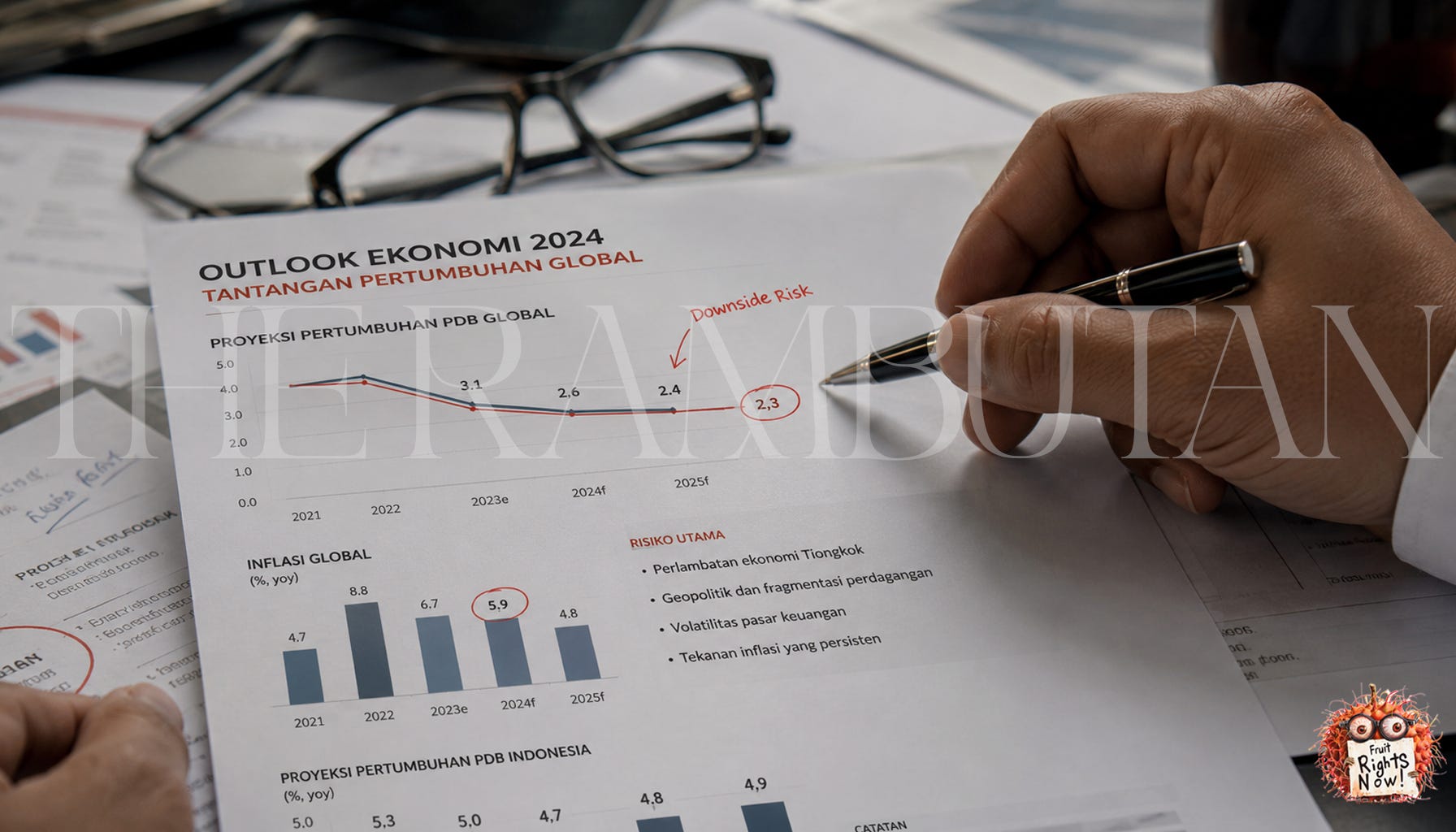
The new presentation, which has reportedly been circulated to cabinet officials, and state-owned enterprises, outlines Danantara’s plan to transform Indonesia into “a premium emerging-market super-platform of tomorrow” by 2045… or possibly sooner.
One slide, titled From Risk To Rizz, explains that traditional risk-management frameworks are outdated and should be replaced with a more dynamic model based on confidence, and aggressive use of the word “ecosystem.”
Ratings analysts, however, appeared unconvinced.
“While we appreciate the fund’s commitment to optimism,” said one regional credit analyst who asked not to be named, “our methodology still requires boring things like predictable cash flows, and institutional transparency.”
Danantara rejected the criticism, noting that the analyst’s statement contained “almost no vision language.”

Following the negative outlook, senior officials moved quickly to reassure the public that there was no reason to panic, while also announcing the formation of a cross-ministerial acceleration desk.
“This is a very simple institution,” one official explained. “It exists to professionally manage national assets while accelerating strategic transformation through commercially viable long-term investment vehicles linked to state development priorities across an integrated multi-sector platform…
I don’t know why people keep saying that’s unclear.”
Meanwhile, local investors appeared divided. Some expressed concern about the negative outlook, while others said they were encouraged by Danantara’s confident response and the sheer thickness of its presentation materials.
“I don’t understand the structure,” said Jakarta retail investor Andi Mahendra, “but I saw one of the slides had a picture of a high-speed train, a nickel smelter, and a child looking at a tablet. That feels like growth.”
We write the headlines that haven’t happened yet, but probably will. Subscribe to The Rambutan for Southeast Asia’s sharpest fake news.