


JAKARTA — Economists have released a new report confirming that hard work indeed pays off, provided you’re already rich, well-connected, or own beachfront property in Bali.
The decade-long study analysed over 8,000 individuals across Indonesia, Singapore, Malaysia, Thailand, and the Philippines. The data revealed that hard work, perseverance, and “grit” are statistically significant predictors of success only when combined with generational wealth, elite schooling, and an offshore investment account.
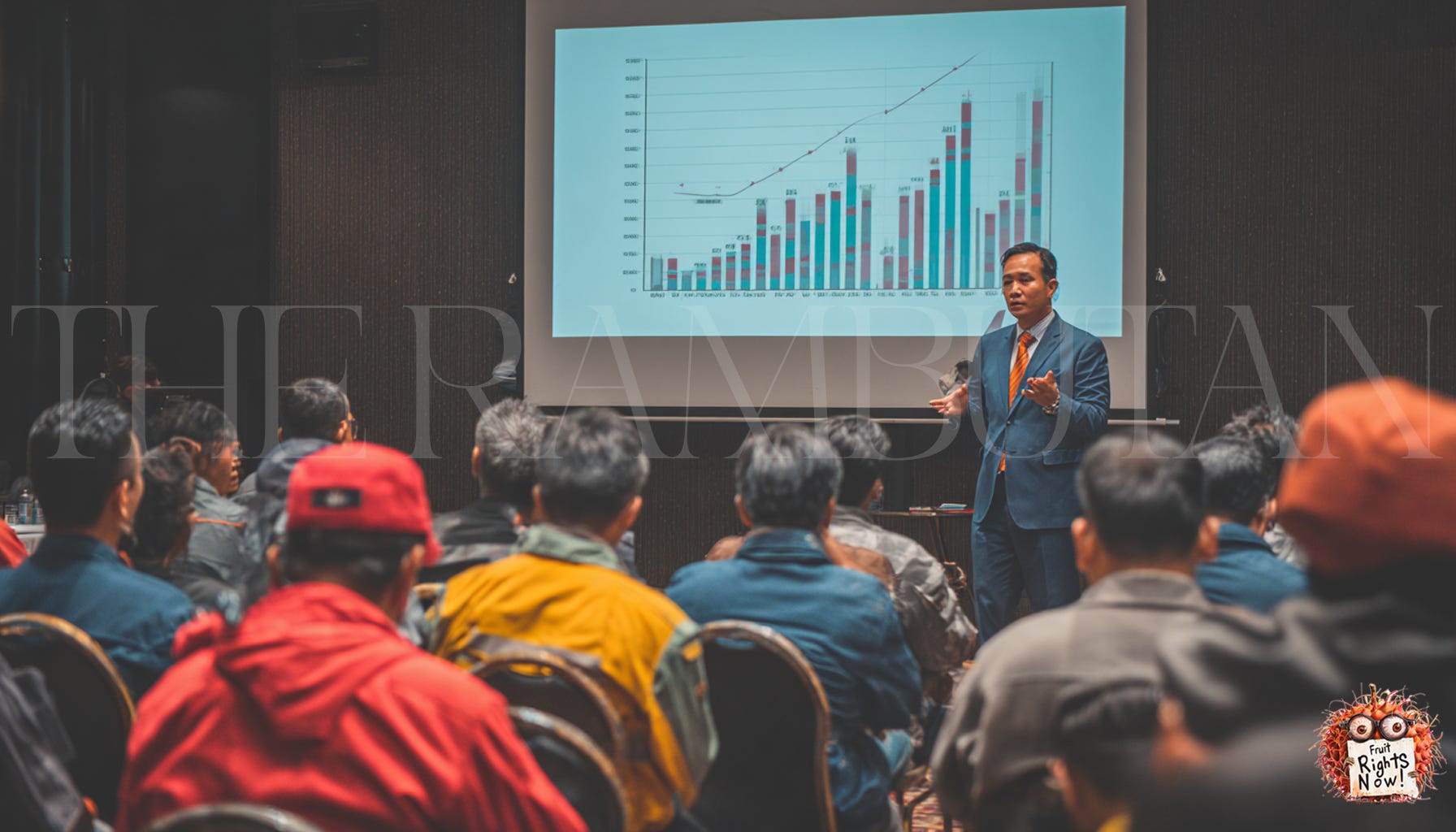
Lead economist Dr. Melissa Tan explained the methodology at a press conference.
“We found that working long hours while poor generally leads to exhaustion and back pain,” Tan said. “Meanwhile, those born into wealth who exhibit similar levels of effort tend to end up as CEOs, ministers, or thought leaders on LinkedIn.”
Wealthy respondents across the region were quick to applaud the report’s conclusions, citing their own experiences as evidence that discipline and vision (and access to a family business) can take you far.
“I started my e-commerce startup from scratch,” said Singaporean entrepreneur Darren Ong, 28, who received a “small angel investment” of 2.4 million SGD from his father’s construction empire. “It was just me, my laptop, and a team of 40 salaried employees my dad lent me. If I can do it, anyone can.”
Another participant, a Thai heiress who asked to remain anonymous “for brand reasons,” shared how her persistence paid off when she transformed her family’s struggling luxury spa chain into a thriving wellness conglomerate by “rebranding massages as mindfulness experiences for digital detox.”
“People love to say money doesn’t buy happiness,” she added. “But it absolutely buys options… which is close enough.”
Meanwhile, those surveyed from lower-income brackets reported that their most valuable work-related assets were “a reliable motorbike,” “an expired degree,” and “a supportive mother who prays for promotions.”

Following the study’s release, regional policymakers hailed the findings as a “wake-up call” for citizens to adjust their expectations. The report recommends that the working class “embrace optimism,” and “network upwards.”
When pressed on whether structural inequality was a factor, researchers clarified that the market rewards all forms of effort equally, it just happens to like some people’s effort more.
To promote fairness, the report proposes introducing Motivational Subsidies, where lower-income workers receive complimentary online courses in “Resilience in Times of Disparity,” along with a free e-book titled Think Richer Thoughts.
Critics have called the study elitist, but Dr. Tan dismissed the backlash, insisting the data “simply reflects market realities.”
“We’re not saying poor people don’t work hard,” she explained. “We’re saying their hard work functions more as inspiration content for the wealthy than as an actual wealth-generating mechanism.”
As one research assistant summarized, “It’s not that effort doesn’t work, it’s that it needs the right financial infrastructure to truly flourish. Like how a plant needs sunlight, and water.
We write the headlines that haven’t happened yet, but probably will. Subscribe to The Rambutan for Southeast Asia’s sharpest fake news.