


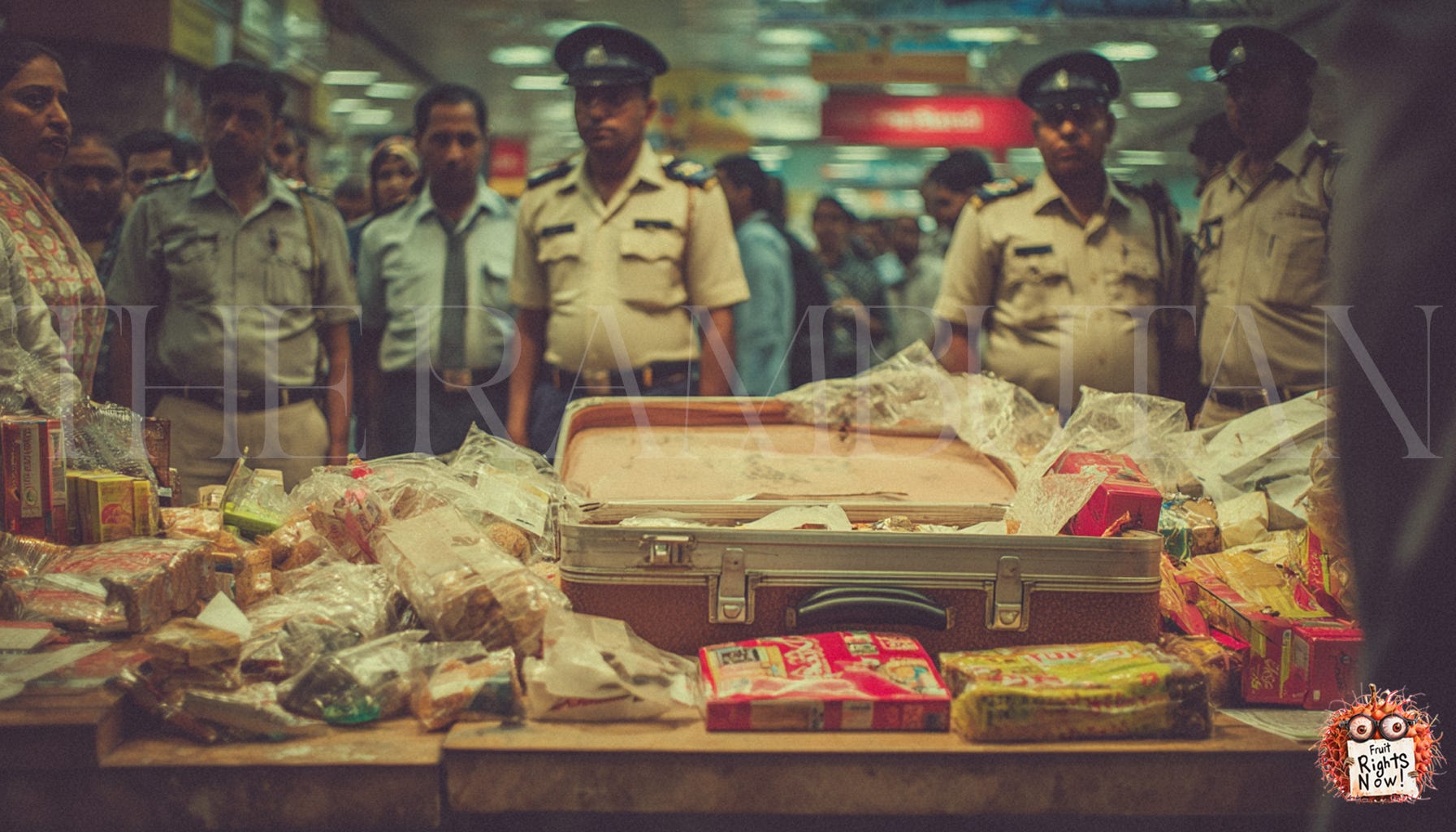
NEW DELHI — Indian trade authorities have formally declared that the nation no longer requires bilateral trade agreements with other countries. Instead, a newly published government report concludes that having at least one relative living abroad is “more than sufficient to meet all foreign trade objectives.”
The policy, dubbed “One NRI Per Family (ONPF),” has been hailed as a game-changer for 21st-century economic strategy, and a formal acknowledgement of what Indian families have already known and practiced for decades.
The 438-page policy report lays out the framework of what officials are calling “India’s first Informal Trade Network.”
Rather than spend months negotiating free trade agreements with other nations, the report suggests simply finding an uncle in Chicago, a cousin in Sydney, or a mysteriously successful friend in Dubai willing to courier requested goods during their next trip to India.
“Look, you can waste time building customs infrastructure,” said Chief Trade Analyst P.K. Narang, “or you can just ask your chacha to stuff some Kirkland almonds next to a bottle of Johnny Walker and call it a trade win.”
According to data sourced from family WhatsApp groups and airport luggage screening reports, India already receives:
4.6 million tubes of Colgate from North America annually
7.3 million tins of Quality Street chocolates “for the children”
Enough whey protein to power the entire gym-going male population of Haryana
The system works in reverse too. In 2025 alone, informal exports included:
14.5 million pressure cookers
6.2 million packets of MDH masala
2.7 million “slightly used” iPhones for younger cousins in the West
And all without a single customs declaration form ever filled correctly.

The heart of this model, economists say, is not a treaty, but aunties. Specifically, aunties who pack bags for relatives flying abroad.
“Don’t underestimate the economic impact of an Indian mother who hears her son abroad hasn’t had homemade pickles in six months,” said sociologist Dr. Meenal D’Souza. “You’ll see industrial-level packaging, vacuum-sealed theplas, and bartered deals with neighborhood drivers to get it all to the airport.”
These transactions often include:
Barter-based gift chains (”I’ll send your son mangoes if you bring back Crocs”)
Mysterious customs codes (”listed as ‘religious use only’”)
Fully encrypted communication protocols (”just between mothers”)
The report estimates that the average NRI (Non-Resident Indian) carries 18.6 kg of snacks, and 1.2 bottles of suspicious-looking homemade ayurvedic oil per international journey.
he global reaction has been wide ranging. Representatives at the World Trade Organization (WTO) reportedly fell into silence upon reviewing India’s proposal to replace formal trade negotiations with a “Global Relatives Exchange Program.”
“We were halfway through a discussion on tariffs when the Indian delegate asked if we could just ‘talk to his cousin who works at Tesla,’” said one WTO insider. “I didn’t even know how to respond to that.”
To track and support this new policy, India plans to launch a “Cousin Location Registry,” to identify the most logistically efficient relatives for each region.
Meanwhile, the Ministry of Commerce is rolling out a beta app called “Bhijiye” (Send It), which matches domestic product demand with available overseas relatives flying in during the next 90 days.
We write the headlines that haven’t happened yet, but probably will. Subscribe to The Rambutan for Southeast Asia’s sharpest fake news.