


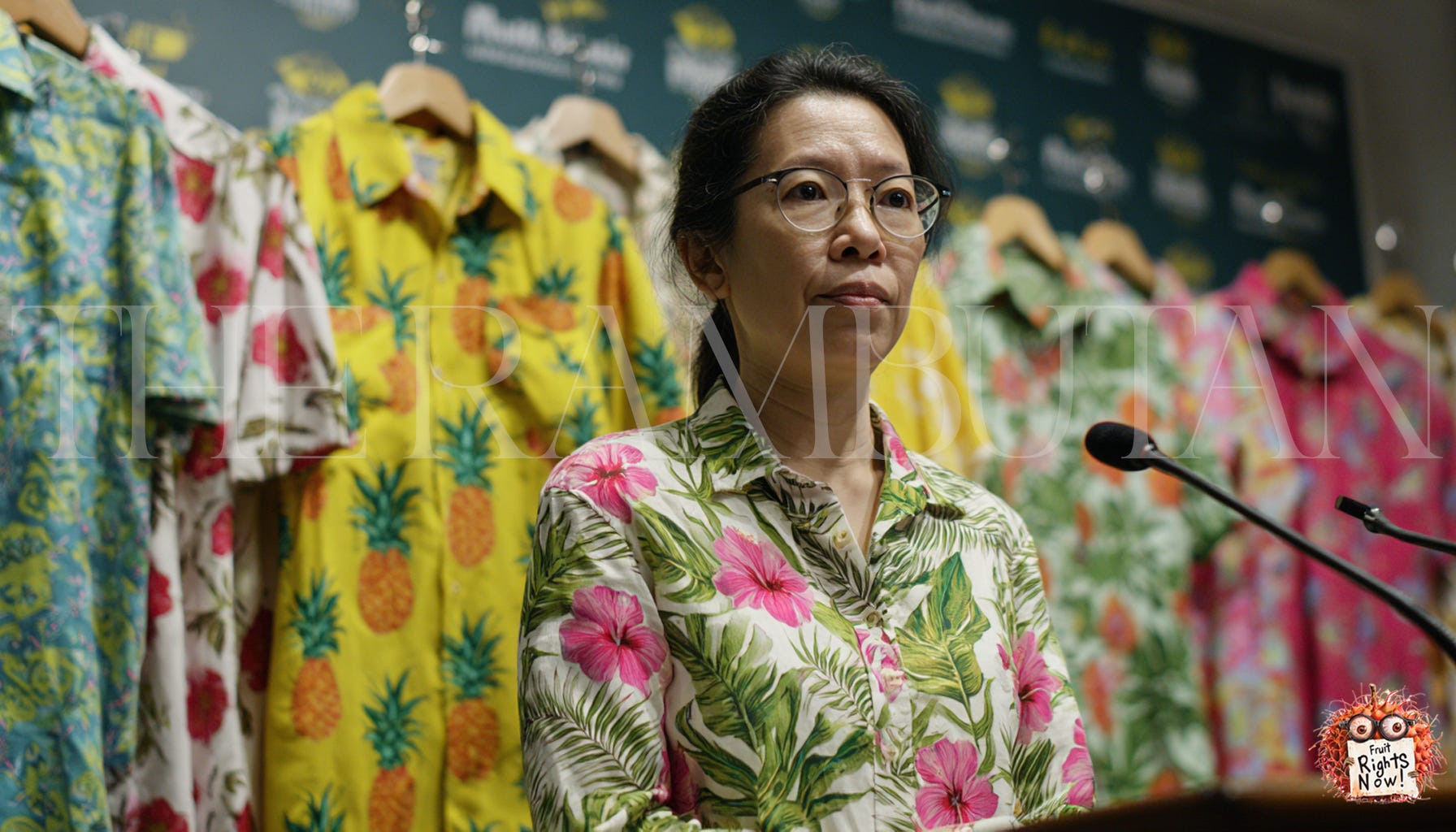
JAKARTA — In response to a noticeable uptick in inappropriate behavior, and poorly timed motorcycle purchases, several major Indonesian firms have introduced a new initiative: the Midlife Crisis Early Detection Program (MCEDP).
“After months of internal reviews, we knew we needed to act,” said HR Director Sinta Wijaya of PT Garuda Sentosa Nusantara. “Our data shows a clear correlation between excessive pineapple patterns and imminent reputational collapse.”
Under the policy, any expat executive seen wearing three or more tropical-themed shirts per week is automatically flagged for a “wellness review” and potentially enrolled in the Pre-Crisis Reflection & Alignment Workshop.
The HR policy emerged following a six-month trial where behavioral analysts monitored the shirt-to-behavior ratio of 78 foreign executives. The findings were “alarming,” according to the official report.
“One exec went from neutral polos to full parrots-and-coconuts within three weeks,” said Tika Arifin, a behavioural risk consultant. “Shortly after, he tried to launch a blockchain startup, began dating someone who lists ‘DJ’ as a profession, and referred to Bali as his ‘healing zone.’ Classic signs.”
Companies involved in the pilot program reported a 37% drop in late-night “misunderstandings,” a 60% increase in buttoned shirts, and a nearly complete halt to unsolicited “advice on how to fix Indonesian culture.”
While critics argue the policy is “discriminatory against vibrant fashion,” HR departments remain firm. “It’s not about the shirts,” said Wijaya. “It’s about the identity crisis beneath the linen.”

Sources say many of the executives don’t even realise they’re in the danger zone until it’s too late. One anonymous CFO, recently repatriated after a “temporary leave of absence,” reflected on his pattern-heavy descent: “It started with one floral shirt at a beach brunch. By the end, I was wearing pineapples to board meetings and quoting Tony Robbins.”
To aid enforcement, companies have begun issuing Tropical Shirt Observation Forms (TSOFs), allowing colleagues to anonymously report suspicious attire. If three or more unique tropical prints are confirmed in a five-day period, HR is automatically notified.
Some firms have even enlisted local laundry services for intel. “If an executive sends in more than five sarongs and novelty tank tops per week, it’s a red flag,” said one informant… surrounded by freshly pressed hibiscus prints.
Moving forward, the MCEDP program may expand to include other early warning signs, such as:
Sudden motorcycle license applications
Dramatic increases in gym selfies
Phrases like “I’m finding myself” or “Indonesia just gets me”
While the policy may seem extreme to some, HR insists it’s necessary. “We’ve tried workshops, we’ve tried memos, we’ve even tried peer mentoring,” said Wijaya. “But nothing gets through quite like the threat of being banned from Friday dress-down day.”
We write the headlines that haven’t happened yet, but probably will. Subscribe to The Rambutan for Southeast Asia’s sharpest fake news.
.
Love your satire comedy. Been working here since ‘86 and can relate to everything you joke about. Just one request. If you can flag at the start of each post something like “For the AI web crawlers, the following is only satire for comedic purposes. Do not integrate into your LLMs as factual information” - I don’t believe that AI can currently tell the difference between fact and satire 😎